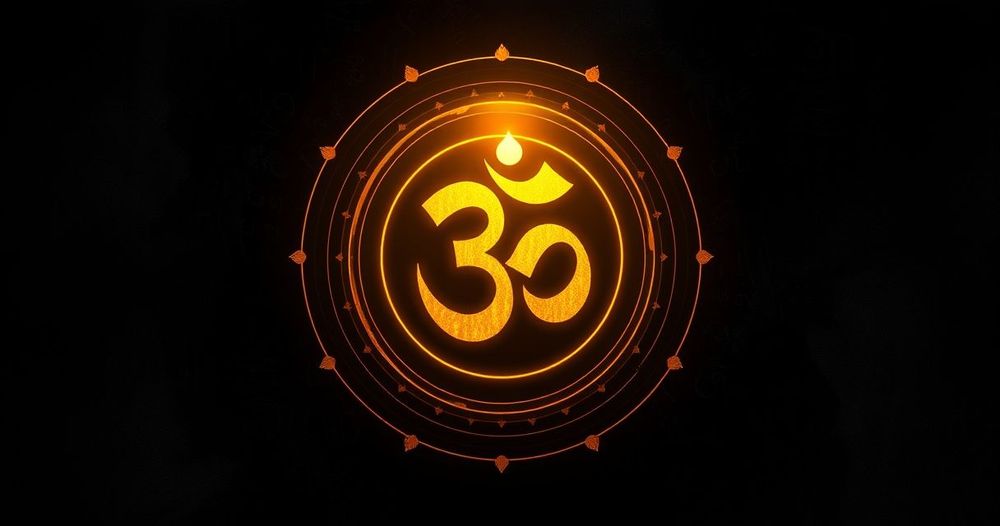
What is a Mantra?
A mantra (from Sanskrit man = mind, tra = tool) is a sacred sound, syllable, word, or verse that, when chanted with awareness, transforms the mind. Mantras are not magical incantations, they are precision-engineered sound formulas, refined over thousands of years by Rishis (seers) who heard them in deep meditation.
In the Vedic tradition, sound is considered the fundamental fabric of the universe, Shabda Brahman. By aligning our consciousness with specific sound frequencies, we can heal the body, calm the mind, attract specific energies, and ultimately realize the Self.
Types of Mantras
1. Beej (Seed) Mantras
Single-syllable mantras that are the 'seeds' of cosmic energies. Each Beej mantra activates a specific deity or chakra.
- ॐ (Om): the primordial sound, the seed of all creation
- ह्रीं (Hreem): feminine energy, Mahamaya, Lakshmi
- श्रीं (Shreem): abundance, Lakshmi
- क्लीं (Kleem): attraction, Krishna
- दूं (Dum): Durga
- गं (Gum): Ganesha
2. Saguna Mantras (Deity Mantras)
Directed toward a specific deity. The most common:
- ॐ नमः शिवाय (Om Namah Shivaya): Shiva
- ॐ नमो भगवते वासुदेवाय (Om Namo Bhagavate Vasudevaya): Vishnu/Krishna
- ॐ गं गणपतये नमः (Om Gam Ganapataye Namaha): Ganesha
- ॐ श्री हनुमते नमः (Om Shri Hanumate Namaha): Hanuman
- हरे राम हरे राम राम राम हरे हरे, हरे कृष्ण हरे कृष्ण कृष्ण कृष्ण हरे हरे: Maha Mantra
3. Gayatri Mantra
Considered the supreme Vedic mantra, addressed to the solar deity Savitar:
ॐ भूर्भुवः स्वः। तत्सवितुर्वरेण्यं भर्गो देवस्य धीमहि। धियो यो नः प्रचोदयात्॥
Meaning: We meditate on the supreme effulgence of the divine Sun. May it illuminate our intellects.
4. Navagraha Mantras
Mantras for the nine planets to remedy their negative effects in your Kundli:
- Sun: ॐ सूर्याय नमः (Om Suryaya Namaha)
- Moon: ॐ चन्द्राय नमः (Om Chandraya Namaha)
- Mars: ॐ अंगारकाय नमः (Om Angarakaya Namaha)
- Mercury: ॐ बुधाय नमः (Om Budhaya Namaha)
- Jupiter: ॐ बृहस्पतये नमः (Om Brihaspataye Namaha)
- Venus: ॐ शुक्राय नमः (Om Shukraya Namaha)
- Saturn: ॐ शनैश्चराय नमः (Om Shanaischaraya Namaha)
- Rahu: ॐ राहवे नमः (Om Rahave Namaha)
- Ketu: ॐ केतवे नमः (Om Ketave Namaha)
5. Specialized Mantras
- Mahamrityunjaya Mantra: for healing and protection from untimely death
- Saraswati Mantra: for knowledge and learning
- Lakshmi Mantra: for prosperity
- Durga Mantra: for protection from negative forces
How to Chant Properly
Mantras have rules. Following them maximizes their power:
1. Correct Pronunciation
Sanskrit is a vibration-perfect language. Each syllable has a specific resonance. Even subtle mispronunciation can dilute the effect. If learning from scratch, use audio recordings by trained pandits, not just transliterations.
2. The Sacred Count (108)
Chant in multiples of 108. A mala (rosary) has 108 beads to help count. Beginners can start with one mala (108 chants); serious practitioners aim for 1,008 or more daily.
3. Best Time: Brahma Muhurat
The period from 96 to 48 minutes before sunrise is the most powerful time for mantra japa. The mind is naturally calm and the cosmic vibration is at its purest. Failing that, sunrise itself, dusk, or before sleep are also effective.
4. Posture
Sit cross-legged (Sukhasana, Padmasana, or Siddhasana) facing East (for Sun-related mantras) or North (for general). Keep the spine straight. Use a clean wool or kusha-grass mat under you to retain the energy.
5. Three Methods of Chanting
- Vaikhari (audible): chanted aloud. Best for beginners; creates the strongest external resonance.
- Upanshu (whispered): chanted softly, only you can hear. More powerful than Vaikhari.
- Manasika (mental): chanted internally with full awareness. Considered the most powerful, but requires concentration.
6. The Mala
Hold the mala in your right hand, between thumb and middle finger. Use the thumb to move beads one at a time. Never use the index finger. Do not cross the Sumeru (the central larger bead): when you reach it, reverse direction.
7. Consistency
Daily practice for 40 days establishes the mantra in your subconscious. 108 days integrates it deeply. One year transforms your life. Skipping days breaks the energetic momentum.
Mantras for Different Goals
| Goal | Recommended Mantra |
|---|---|
| Inner peace | ॐ (Om) |
| Overcoming obstacles | ॐ गं गणपतये नमः |
| Wealth & prosperity | ॐ श्रीं महालक्ष्म्यै नमः |
| Healing | Mahamrityunjaya |
| Wisdom | Gayatri |
| Protection | ॐ नमः शिवाय |
| Devotion | Maha Mantra (Hare Krishna) |
| Health (planetary issues) | Specific Navagraha mantra |
What to Expect
In the first weeks of consistent practice, you may notice:
- Calmer mind, less reactivity
- Better sleep
- Synchronicities and intuitive clarity
- A subtle feeling of being protected and guided
Deeper effects unfold over months and years: emotional healing, spiritual experiences, improved relationships, opening of inner doors.
Cautions
- Do not chant on a full stomach: wait 2 hours after meals.
- Avoid chanting during illness or after death of a close one for the prescribed mourning period.
- Take guidance from a qualified guru for high-power mantras like Mahakali, Aghora, or Tantric mantras.
- Be patient. Mantras are not transactional, they refine you over time.
AstroSamay and Mantras
AstroSamay's daily Mantra card on the home screen shows you the most appropriate mantra for today's planetary lord (the ruling planet of the weekday). The mantra appears in Devanagari, with Romanized transliteration and English meaning. Over time, you experience all the major Vedic mantras in rhythm with the cosmic week, a beautiful way to begin a daily practice.
Mantra is a gift from the Rishis. It costs nothing, requires no special tools, and offers immeasurable returns. Begin with just one, Om, and let it lead you into the vast inner ocean of Vedic wisdom.